
Zhalantun Regional Organic-Waste Processing Center
A regional processing centre built around centralised collection and deep processing of manure into organic fertilizer — the reference project behind the “Zhalantun Model”.
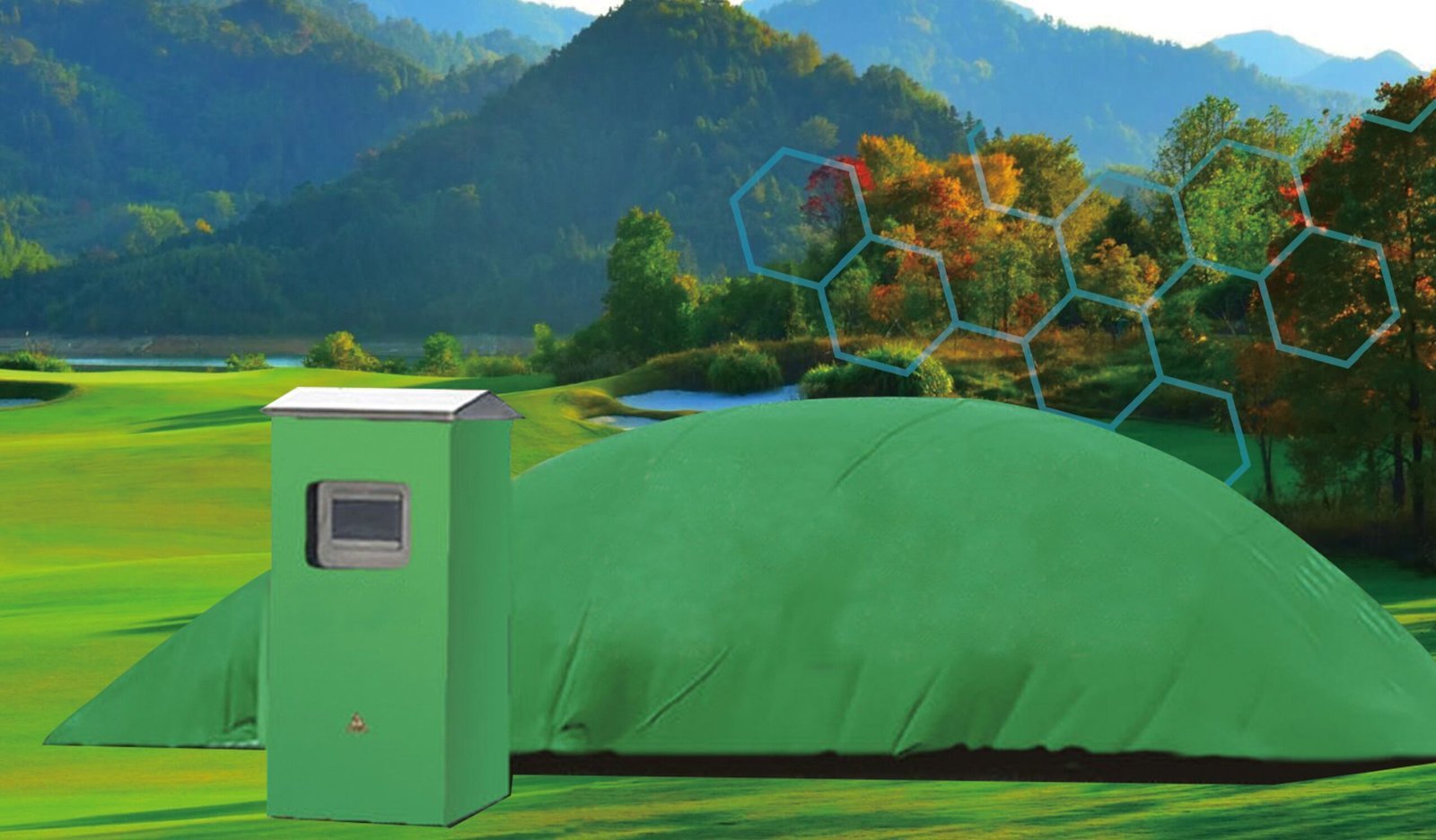
Centralised collection and processing
Membrane fermentation at the core
The challenge
Manure from many farms across the region had no shared treatment route. Individual farms could not justify full treatment infrastructure, and untreated manure limited herd expansion and created standing environmental pressure.
The system
The centre concentrates regional manure intake, NCS membrane fermentation capacity and organic fertilizer deep-processing lines in one operation, returning finished product to farmland through a managed channel.
The outcome
The operating centre became the reference model for regional manure resource utilisation: farms gain a reliable outlet, processing cost is controlled at centre scale, and manure returns to fields as fertilizer instead of accumulating as waste.
What this case means for your project
Read as a template, this is a regional organic waste processing center in the full sense: collection logistics, fermentation capacity and product finishing run as one business, so no single farm carries infrastructure it cannot fill. Projects copying the model usually start by mapping the collection radius — the farms inside economical haul distance define the intake, and the intake defines everything else.
On cost, buyers planning a centre ask what the composting system cost will be before they ask about any single machine. There is no honest unit price at this scale: cost is set by the collection radius and fleet, daily intake volume, civil works for lanes and curing, the depth of the fertilizer finishing line, and the staffing model. A credible quotation therefore prices those drivers one by one against your map and volumes — any single figure quoted before that work is a placeholder, not a price.
A similar stream, a similar answer
If your material and scale resemble this project, the scoping is already half done. Send your volume and location and the team will map the differences.